









The Game of Sisyphus
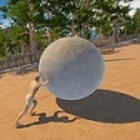
The Game of Sisyphus looks like a simple joke about the Greek myth but plays like a physics challenge that takes the punishment seriously: you push a heavy boulder up a mountain, and if you lose control, it rolls right back down, often taking you with it. The whole experience is about balance, patience and how much frustration you can turn into determination.
Pushing the Boulder
The boulder is heavy and responsive to every slope. Pushing on flat ground is easy, but as the incline grows, you need to angle your pushes carefully, keep steady pressure and avoid letting the stone roll sideways. Small bumps and changes in the path can tip the balance and start a slide.
Momentum is both friend and enemy. It helps on short lips and hurts on long slopes.
A good push can carry the boulder over a tricky lip, but too much speed makes it hard to control on the next section. Players learn to read the terrain and adjust pressure constantly, almost like steering a heavy vehicle uphill.
The Mountain Path in The Game of Sisyphus
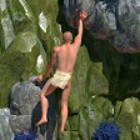
The route grows steeper and more complicated as you climb. Narrow ledges, sharp turns and obstacles test your control, and each section feels like a small puzzle about how to keep the boulder on the path.
- Stay behind the center of the boulder for steady pushes.
- Slow down before turns and narrow ledges.
- Use flat spots to rest and reposition.
- Expect the boulder to roll back and plan for it.
Losing the boulder near the top is the classic moment of despair. It is also a fitting nod to the myth that inspired the whole idea.
Each section rewards a calm approach. Rushing a turn is the quickest way to watch the boulder slide past you and roll all the way back.
Myth Meets Physics
The Greek legend of Sisyphus, condemned to push a rock uphill forever, gives the game its humor and its theme. Every failure feels like part of the story, and many players find a strange satisfaction in starting again.
That framing makes the frustration easier to accept. Failure is literally the theme.
Fans of rage games enjoy the clear goal and the punishing physics. By contrast, others appreciate the meditative rhythm of slow, careful progress.
Who Will Enjoy The Game of Sisyphus
Players who like physics challenges with simple controls will find plenty to master. Sessions can be short or long, depending on how much patience you bring.
Those who dislike losing progress may find it too harsh. The rollback is the core mechanic, not a bug.
It also works as a great clip generator. A long roll back down the mountain is entertaining to watch.
Getting Better at The Game of Sisyphus
The best players treat the slope like a puzzle. They look ahead, plan where the boulder should go and push in short, controlled bursts instead of one long shove. That style keeps the stone centered and makes recoveries possible when something goes wrong.
Resting on flat spots is not wasted time. It gives you a moment to line up the next push and reduces the risk of panic moves on steep ground.
Finally, accept the rollbacks. Every slide teaches something about a section, and the next attempt usually goes higher because of it.
- What is the goal? Push the boulder to the top of the mountain without letting it roll back down. Every slip costs progress.
- Is it a rage game? Yes, losing the boulder near the top can undo a lot of progress. That is part of the challenge.
- How do you keep the boulder under control? Push steadily from behind its center and slow down before turns. Use flat areas to reposition before the next climb.
The Game of Sisyphus turns an ancient punishment into a physics test. Every careful push of the boulder up the mountain path brings you closer to the top or back to the bottom.